Top European City Breaks
Europe’s great cities aren’t just pretty façades. They’re layered places where a Roman wall props up a cocktail bar and a tram rattles past a 15th-century cloister like it’s the most normal thing in the world. These five breaks deliver heavyweight culture in compact, walkable districts with straightforward airports and enough good food to justify a late checkout.
Read this first: timing beats queuing
For city breaks, shaving 24–48 hours off peak dates can mean smaller lines, lower fares, and hotel rooms that don’t require a small loan. Fly Thursday evening, return late Monday, and you’ll slip under the Friday-to-Sunday surge. If prices wobble mid-week, watching fares—or placing a polite bid when loads look soft—can free up budget for the good stuff: museum fast-track entries, a nicer room, or simply a table where the napkins are fabric.
1) Paris, France
Nearest international airport: Charles de Gaulle (CDG) — Orly (ORY) for many European flights.
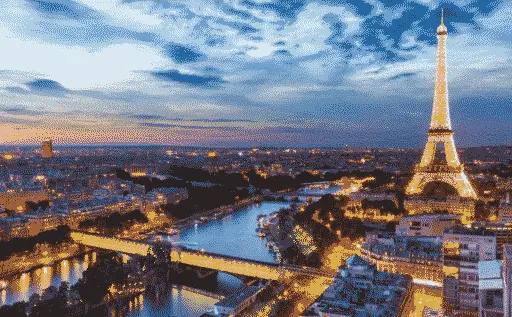
Paris rewards walkers with stamina and anyone willing to cross the Seine for a better croissant. Start early at the Louvre’s Porte des Lions entrance, then surface in the Tuileries for restorative people-watching (and a frankly necessary espresso). The Marais is best mid-morning, when boulangeries still have kouign-amann and the boutiques haven’t developed door queues. By late afternoon, nab sunset from the steps of Sacré-Cœur or the riverside at Île Saint-Louis—both romantic, one with fewer selfie sticks.
Dining is a sport. Book bistros a week out, or pivot to a fixed-price lunch menu that delivers similar kitchens for less. Evenings, wander the Latin Quarter’s side streets for wine bars with chalkboard lists instead of laminated menus—the difference, like the bread basket, is notable.
Must-see highlights
- Louvre & Mona Lisa (go at rope-drop or late night openings)
- Notre-Dame & Île de la Cité strolls
- Montmartre lanes up to Sacré-Cœur
- Seine cruise at dusk
- Left Bank cafés and bookshops
- When to go: Late March–May and September–early November for mild weather and shorter queues; August is quieter in business districts but tourist sites stay busy.
- How to get there: Nonstops abound from major hubs; ORY is handier for the Left Bank, CDG for long-haul connections.
- Value tip: Choose a hotel just beyond the “name-brand” arrondissements (10th/11th near Canal Saint-Martin) for better rates and great bistros.
2) Florence, Italy
Nearest international airport: Florence (FLR) — Pisa (PSA) often cheaper with frequent trains.

Florence is a Renaissance jewel box where the problem isn’t what to see but in what order to queue. Anchor one morning to the Uffizi (Botticelli before the crowds), another to the Accademia (David before the phones wake up), then allow generous “gelato gaps.” Evenings belong to the Oltrarno: artisan workshops, trattorie with paper tablecloths, and the kind of house wine that encourages second pastas.
For air/rail sanity, Pisa’s airport direct Pisa Centrale–Firenze SMN train is often quicker door-to-door than a tight connection into FLR. Pack light: Florence’s charm includes cobblestones with a sense of humour.
Must-see highlights
- Duomo climb & Brunelleschi’s dome
- Uffizi Gallery (reserve timed entry)
- Accademia & Michelangelo’s David
- Ponte Vecchio & goldsmith shops
- Sunset from Piazzale Michelangelo
- When to go: April–May and late Sept–Oct for cooler queues and Tuscan light; July–Aug is hot and packed.
- How to get there: Fly FLR or into PSA and take the frequent train (about an hour to SMN).
- Value tip: Book major museums for late-day slots, then dine in the Oltrarno—fewer tour groups, more flavour.
3) Lisbon, Portugal
Nearest international airport: Humberto Delgado (LIS).
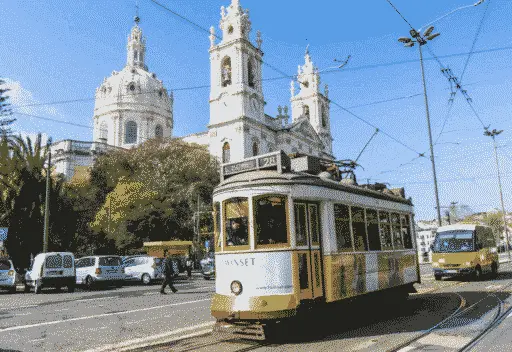
Lisbon rises and falls like a friendly rollercoaster. Alfama’s lanes deliver the postcard, but the soul shows up late: Fado drifts out of doorways and the custard tarts are gone by 10 a.m. if you’re not strategic. Belém holds the Age of Discoveries and the city’s best riverside promenades; take the tram out, metro back, and leave time for the cloisters at Jerónimos—they’re the sort of stone lace that turns even teenagers quiet.
Eat broadly: sardines in June, caldo verde year-round, and petiscos anywhere with paper placemats and locals arguing cheerfully. For a breather, criss-cross miradouros: Senhora do Monte at golden hour is Lisbon’s screensaver.
Must-see highlights
- Alfama rambles & Tram 28 (ride early)
- Belém Tower & Monument to the Discoveries
- Jerónimos Monastery
- São Jorge Castle
- Miradouros (viewpoints) circuit
- When to go: March–June and Sept–Nov. Summer brings cruise-day crowds; winter rains are brief and prices kinder.
- How to get there: Nonstops from many European hubs; LIS is unusually close to the centre—15–25 minutes by metro.
- Value tip: Stay in Graça or Estrela for quieter nights and views; spend the savings on a Sintra day trip.
4) Barcelona, Spain
Nearest international airport: Barcelona-El Prat (BCN).
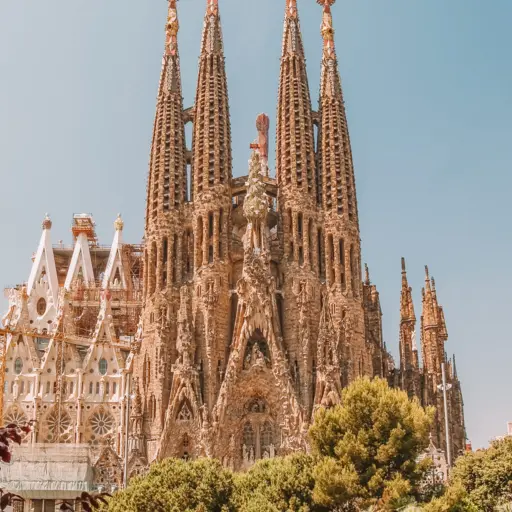
Barcelona is a design manifesto with beaches. Gaudí’s greatest hits demand reservations, but the city’s rhythm is found elsewhere: a vermut at noon, a menu del día at two, and a golden-hour wander through the Eixample’s chamfered corners. The Gothic Quarter is cinematic at dawn; by afternoon, retreat to El Born’s galleries and bodegas, or up to Gràcia where plazas feel like village squares and the pace slows to a pleasant amble.
Tapas etiquette: order in waves, not a flood; every table has limits—yours, and the small plates.
Must-see highlights
- Sagrada Família (timed entry essential)
- Park Güell (upper area requires booking)
- Gothic Quarter & Roman walls
- Picasso Museum
- La Rambla & Boqueria Market
- When to go: May–June and late Sept–Oct; avoid midsummer heat cruise peaks.
- How to get there: Dozens of European nonstops; trains from Madrid/Valencia are fast and comfortable if you’re multi-city.
- Value tip: Sleep in Gràcia or Poble-sec; spend the difference on a Gaudí combo ticket and a long lunch.
5) Prague, Czech Republic
Nearest international airport: Václav Havel (PRG).
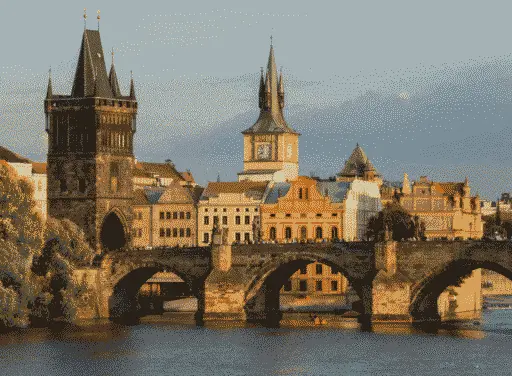
Prague is where fairy-tale architecture meets very real beer. Cross Charles Bridge at sunrise as statues emerge from mist and buskers from bed; by mid-morning, the Old Town’s astronomical clock performs for a packed house of necks. Spend a quiet afternoon on Kampa Island and let Malá Strana’s courtyards do the whispering. Evenings belong to cellar pubs and river walks, optionally in that order.
Trams are your friend: cheap, frequent, and scenic. The castle complex is a half-day—reward your calves with café strudel in Nový Svět, a pocket of lanes so peaceful it feels like Prague left the chat.
Must-see highlights
- Charles Bridge & Vltava views
- Old Town Square & Astronomical Clock
- Prague Castle & St. Vitus
- Jewish Quarter (Josefov)
- Lennon Wall & Kampa Island
- When to go: April–June and Sept–Oct; December for markets and fairy lights (bring layers and appetite).
- How to get there: Wide European coverage; rail links shine if you’re pairing Vienna, Dresden, or Berlin.
- Value tip: Base in Vinohrady for leafy streets and better hotel rates; walk or tram everywhere.
How to turn airfare into experience
City breaks are won at the margins. Watch fares for a week, shift your flight by a day if prices spike, and consider bidding when cabins look roomy—especially outside school holidays. The “found” money goes further on the ground: timed entries that skip 45-minute lines, airport express tickets that save an hour, or a hotel in the neighbourhood you’ll actually linger in.
- When to go: Shoulder seasons almost always deliver better value and softer light for photos you don’t have to aggressively crop.
- How to get there: Mix airports (in/out different cities) for open-jaw itineraries and fewer backtracks.
- Value tip: If your fare drops, channel the difference into pre-booked experiences; you’ll remember a private guide longer than seat 7C.
Final thoughts
Pick your mood—Paris for grand museums and café tables with opinions; Florence for art at walking distance; Lisbon for hills, tiles, and sunsets; Barcelona for architecture with a beach; Prague for spires and strudel. Travel on shoulder dates, move your flights by a day if prices swell, and let any savings upgrade the trip where it counts: time. When fares soften, watching or bidding can unlock a nicer hotel, a handier neighbourhood, or the bliss of skipping a queue. That’s the difference between seeing a city and living it, if only for a long weekend.
Search with FlightBid